 |
| Photo by 50green.com. |
We love our resacas around here – in our way. Houses along the resacas are always more expensive, for example. But we haven't historically taken very good care of them. Too frequently, we've used them as dumps.
I'm glad to see the cleanup work being done. But what's going to happen to that trash? Is it mostly going to be buried? That's really kicking the can down the road. At the least, those tires would make some great Earthships for the folks in the colonias.
The great thing about Earthships for the people in the colonias is that they can be made with their own labor and would help them to be power and water independent, whereas now they suffer from the lack of both. And it would further this region's move toward sustainability and help the families become economically sustainable ... no long-term utility bills or mortgages!
What Is a Resaca?
The area South Texas where I live – along the Rio Grande and the U.S.-Mexico border – is called the "Rio Grande Valley," or RGV for short.
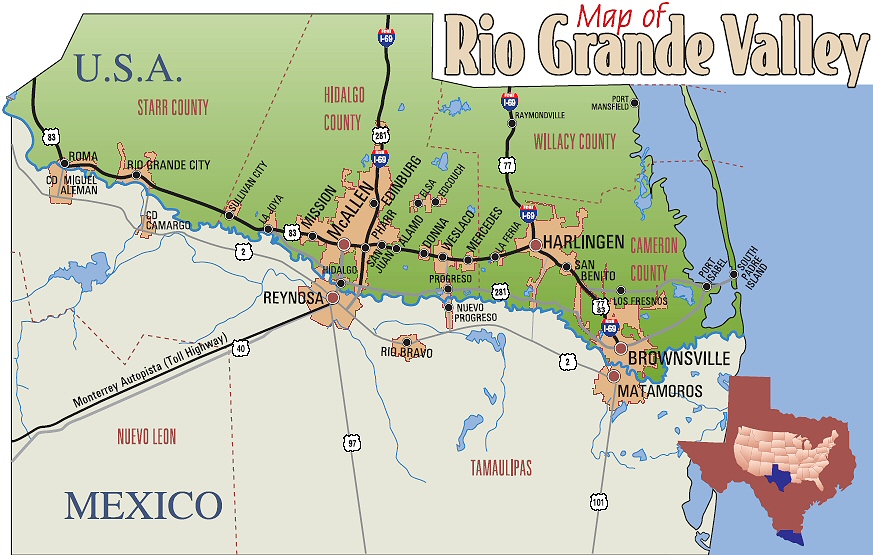 Ironically, this area is not a "valley" at all but is, instead, a river delta. The Rio Grande meanders its way along to the Gulf Coast, and the surrounding delta is dotted with resacas, known in American English as "oxbow lakes" and Austrailian English as "billabongs." They are narrow, wiggly, self-contained lakes that used to be channels of the Rio Grande.
The resacas and our location, along the coast and a crossroads between North and South America, attract migrating birds. Between the migrating and native species, Brownsville is the No. 1 birding region in North America.
#permaculture #sustainablehousing #economics #recycling

No comments:
Post a Comment
Thanks for your comment!
Note: Only a member of this blog may post a comment.